PHP Programming: Complete Guide for Web Development in 2025 | Top Tech Developers
Introduction:
PHP (Hypertext Preprocessor) is one of the most popular server-side scripting languages used for web development. Since its launch in 1995, PHP has powered millions of websites, from small blogs to enterprise-level platforms. Even today, in 2025, PHP remains a reliable choice due to its simplicity, flexibility, and strong community support.
📚 What is PHP?
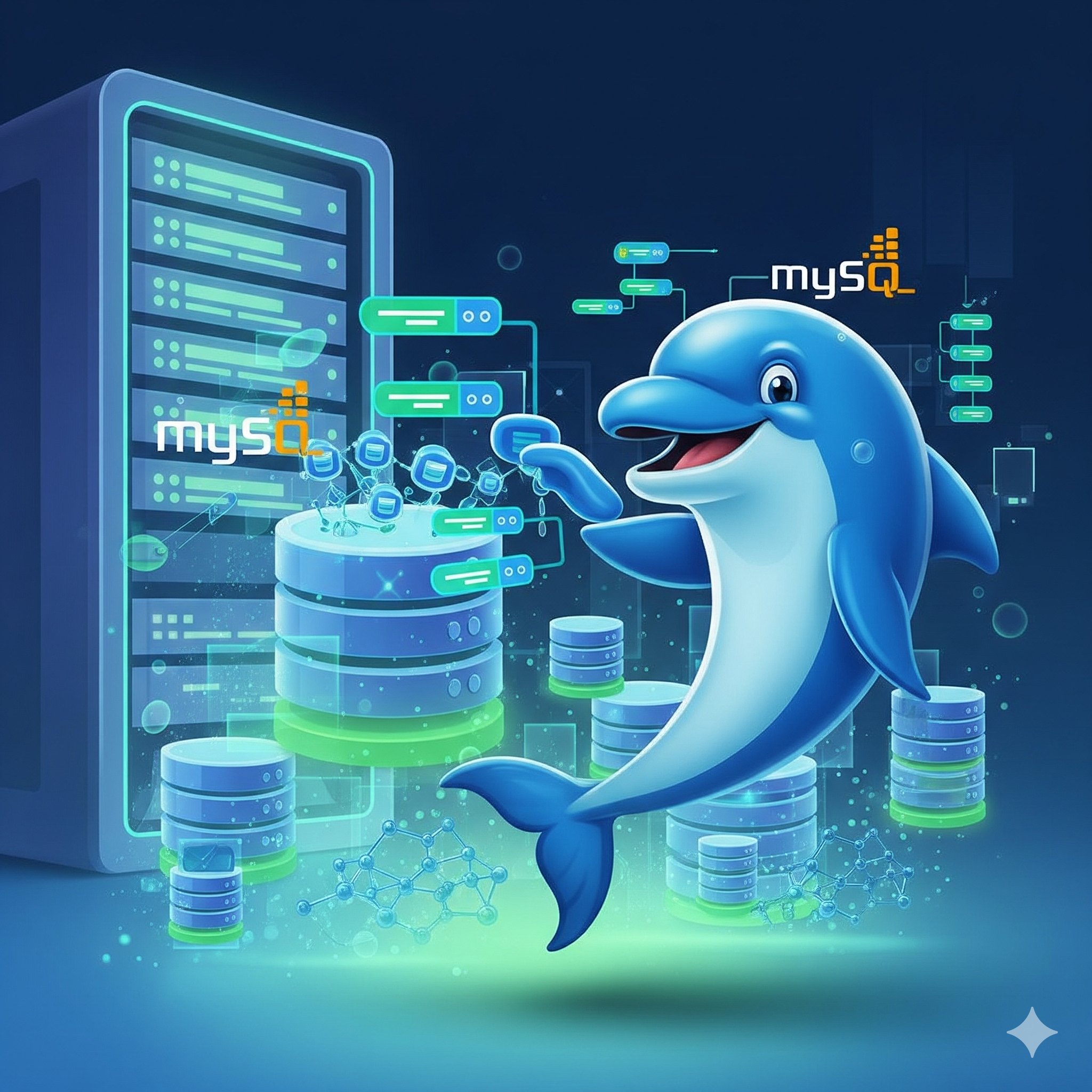
PHP is an open-source scripting language mainly used to create dynamic and interactive websites. Unlike static HTML, PHP allows developers to connect with databases, process user input, and build functional web applications. PHP works seamlessly with MySQL, making it a go-to option for database-driven websites. community.
Key Features of PHP
Benefits of Learning PHP
Applications of PHP
PHP vs Other Programming Languages
Popular PHP Frameworks in 2025
1. PHP Programming Language | Beginner to Advanced
PHP is one of the most widely used server-side scripting languages for web development. It powers millions of websites and applications, including some of the world’s biggest platforms. With PHP, developers can build dynamic, secure, and interactive websites that connect easily with databases like MySQL. It is open-source, free to use, and has a massive global community, making it one of the best languages to start coding with. PHP is also highly compatible with HTML, CSS, and JavaScript, which makes it flexible for full-stack development. Businesses choose PHP because it is cost-effective, reliable, and scalable for both small websites and enterprise-level applications. Whether you want to develop eCommerce stores, CMS platforms, or APIs, PHP provides the right tools and frameworks. With frameworks like Laravel, CodeIgniter, and Symfony, PHP has evolved into a modern development language. Learning PHP gives students, beginners, and professionals a strong foundation in web technologies. It remains an essential skill in 2025 for developers seeking a career in web development.
2. PHP Web Development Services | Custom Solutions
PHP web development continues to dominate the IT industry, powering dynamic and secure websites across different sectors. As an open-source technology, PHP helps businesses build cost-effective yet powerful applications that deliver excellent performance. Skilled PHP developers can create custom websites, CMS platforms, eCommerce stores, and interactive portals tailored to client needs. The language works seamlessly with popular databases and integrates easily with APIs, making it a top choice for businesses. PHP also supports multiple frameworks such as Laravel, Symfony, and Yii, which speed up development and improve security. Startups and enterprises alike prefer PHP because it offers scalability and flexibility to meet changing requirements. With its global developer community, regular updates, and improved PHP 8 features, the language is more advanced than ever. Companies looking for reliable digital solutions often turn to PHP because of its proven stability. Whether it’s website development or custom application design, PHP continues to be a trusted technology in 2025.
3. PHP Training Course | Learn Web Development with Projects
Learning PHP is an excellent step for anyone who wants to start a career in web development. Our PHP training course is designed for beginners as well as professionals who want to upgrade their skills. It covers everything from PHP basics to advanced concepts such as frameworks, database integration, and API development. Students will learn how to build dynamic websites and connect them with MySQL databases. The training also includes real-world projects, so learners can practice coding and gain hands-on experience. PHP is easy to learn, making it perfect for those with little or no programming background. With growing demand for web developers, PHP skills remain highly valuable in the job market. By the end of the course, students will have developed complete web applications from scratch. They will also understand security best practices and modern coding standards. This training ensures learners are fully prepared for professional PHP development roles.
4. PHP vs Python vs Node.js | Which Language to Choose?
Choosing the right programming language is essential for building efficient web applications. PHP, Python, and Node.js are three popular options, each with unique advantages. PHP has been the backbone of web development for decades, powering platforms like WordPress, Drupal, and Joomla. It excels at building dynamic, database-driven websites with excellent scalability. Python, on the other hand, is famous for data science, AI, and machine learning, though it also supports web frameworks like Django and Flask. Node.js, powered by JavaScript, is preferred for real-time applications and event-driven systems. However, PHP still stands strong in 2025 due to its affordability, easy hosting, and large talent pool. Businesses continue to prefer PHP for CMS, eCommerce, and API-driven projects. Developers also appreciate its frameworks, such as Laravel and Symfony, which simplify modern application development. Each language has its strengths, but PHP remains a safe and reliable choice for web-based projects. Understanding these differences helps organizations choose the right technology for their needs.
5. Future of PHP Development | Trends & Opportunities
PHP has been around for more than 25 years, yet it continues to evolve and adapt to modern web development needs. With the release of PHP 8, developers now enjoy improved speed, performance, and advanced features like Just-in-Time (JIT) compilation. PHP frameworks such as Laravel and Symfony have made development more structured and secure, attracting both startups and large organizations. Many popular platforms like WordPress, Magento, and Joomla still rely heavily on PHP, proving its long-term relevance. Businesses prefer PHP because it is cost-effective, widely supported, and easy to scale. The future of PHP in 2025 looks bright, as more developers adopt modern frameworks and tools. PHP is also adapting to cloud computing, APIs, and microservices, ensuring its place in future technologies. With continuous community support and regular updates, PHP remains an essential language for web developers. Learning PHP now opens doors to career opportunities in web development, CMS customization, and enterprise solutions.
6. PHP MySQL Development | Dynamic Database Websites
PHP combined with MySQL is one of the most powerful solutions for building database-driven websites. Developers can create login systems, dashboards, shopping carts, and content management systems with ease. PHP’s ability to integrate seamlessly with MySQL makes it a preferred choice for web applications that require data storage and management. From small business websites to enterprise applications, PHP and MySQL deliver scalability and efficiency. Students learning PHP also benefit from hands-on projects that include MySQL connections. This combination powers some of the largest websites and platforms worldwide. PHP offers functions and libraries that make database integration simple and secure. Developers can also use frameworks like Laravel and CodeIgniter to streamline MySQL operations. With proper optimization and indexing, PHP and MySQL applications run fast and efficiently. For anyone learning web development, mastering PHP and MySQL is an essential skill in 2025.
7. PHP Frameworks | Laravel, Symfony & CodeIgniter
PHP frameworks have transformed the way developers build applications, making coding faster, more secure, and more organized. Laravel stands out as the most popular framework, offering elegant syntax and advanced features. Symfony is known for its reusable components, making it ideal for large-scale enterprise applications. CodeIgniter remains lightweight and easy for beginners who want quick results. These frameworks provide tools for authentication, database management, and API development. They also ensure developers follow best practices and maintain cleaner code. Businesses benefit from faster project delivery and reduced development costs when frameworks are used. PHP frameworks also come with strong community support and frequent updates. They integrate well with front-end technologies like React and Angular. In 2025, mastering PHP frameworks is crucial for professional developers who want to stay competitive in the job market.
8. PHP for eCommerce Websites | Online Store Development
PHP plays a vital role in powering eCommerce platforms around the world. Platforms like Magento, OpenCart, and WooCommerce (WordPress) are built on PHP. Businesses choose PHP for online stores because it provides flexibility, security, and scalability. With PHP, developers can build shopping carts, payment gateways, inventory management systems, and product catalogs. Its ability to handle large amounts of data makes it suitable for growing businesses. PHP also supports customization, which allows developers to create unique shopping experiences. The language integrates easily with third-party APIs for shipping, payments, and analytics. PHP frameworks ensure that eCommerce websites remain secure from cyber threats. Businesses can also choose cloud hosting solutions that optimize PHP applications for speed and performance. In 2025, PHP remains one of the best technologies for developing secure and scalable eCommerce websites worldwide.
9. PHP CMS Development | WordPress, Joomla & Drupal
Content Management Systems (CMS) are at the heart of web publishing, and PHP powers most of them. WordPress, Joomla, and Drupal are the top CMS platforms, enabling businesses to build professional websites quickly. With PHP, these CMS platforms provide flexibility, themes, and plugins to extend functionality. WordPress alone powers more than 40% of the web, showing PHP’s dominance. Joomla is great for eCommerce and social networking sites, while Drupal is ideal for enterprise-level applications. PHP makes it easy for developers to customize these platforms to meet unique business needs. It allows integration with APIs, payment gateways, and advanced plugins. With PHP, CMS websites remain cost-effective and easy to maintain. Businesses prefer PHP-based CMS because they are user-friendly and SEO-friendly. In 2025, CMS development with PHP continues to be one of the fastest ways to launch digital solutions for businesses.
10. PHP Security Best Practices | Safe Web Development
Security is one of the most important aspects of web development, and PHP provides strong tools to protect applications. Developers must follow best practices such as input validation, secure session handling, and password hashing. PHP also helps protect against SQL injection and cross-site scripting attacks when coded properly. Modern frameworks like Laravel come with built-in security features. Businesses prefer PHP applications because they can be hardened against threats with the right coding standards. Regular updates and patches keep PHP secure in changing digital environments. Developers should also follow PSR coding standards to maintain safe practices. PHP’s compatibility with SSL and encryption libraries enhances data protection. Security remains a priority for PHP developers building finance, healthcare, and eCommerce applications. With proper knowledge, PHP applications can be among the safest in the industry.
11. PHP Full Stack Development | Frontend & Backend Skills
Becoming a PHP full-stack developer is a smart career move in 2025. PHP covers backend development, while frontend technologies like HTML, CSS, and JavaScript complete the skill set. A full-stack developer can build complete web applications from start to finish. PHP integrates easily with frontend frameworks like React, Angular, and Vue. MySQL or MariaDB are often used alongside PHP for databases. Full-stack developers are highly valued because they can handle multiple roles in a project. PHP frameworks like Laravel provide backend structure, while frontend libraries manage user interfaces. Startups especially value full-stack developers for cost-effective development. PHP’s simplicity makes it easier for beginners to step into full-stack learning. In 2025, PHP full-stack developers remain in high demand worldwide.
12. PHP Hosting Providers | Best Servers for PHP Sites
Choosing the right hosting provider is critical for running PHP applications smoothly. PHP hosting providers offer optimized servers that support PHP 8 and database management. Many providers also include one-click installations for WordPress, Joomla, and Drupal. Shared hosting is affordable for beginners, while VPS and dedicated hosting provide better performance for larger projects. Cloud hosting solutions like AWS and DigitalOcean also support PHP deployments. Good hosting ensures faster loading times, secure environments, and reliable uptime. Developers also benefit from tools like cPanel, SSL, and PHP version managers. PHP hosting providers often include MySQL databases and email solutions. Businesses rely on hosting companies that provide scalability for growing websites. In 2025, PHP hosting remains one of the most affordable and reliable options for web applications worldwide.
13. PHP Projects for Students | Ideas & Examples
Students learning PHP benefit greatly from working on real projects. Projects help apply coding concepts and strengthen problem-solving skills. PHP projects can range from simple login systems to advanced eCommerce websites. Beginners can start with small projects like calculators, contact forms, and blog websites. Intermediate learners can move on to inventory systems, chat apps, and content management systems. Advanced projects include eCommerce websites, social networks, and learning management systems. Working on projects also helps students build portfolios to showcase skills to employers. PHP projects often include MySQL integration for database management. Frameworks like Laravel can be introduced to teach modern coding practices. In 2025, project-based learning remains one of the best ways to master PHP development.
14. PHP API Development | RESTful Services & Integration
APIs are at the core of modern applications, and PHP is a reliable tool for building them. Developers can create RESTful APIs using PHP frameworks like Laravel and Lumen. These APIs allow mobile apps, websites, and third-party platforms to communicate efficiently. PHP’s simplicity makes API development faster and more accessible. Businesses rely on APIs for payment systems, authentication, and cloud services. PHP APIs also support JSON and XML formats, ensuring compatibility with various applications. Frameworks provide tools for authentication, rate limiting, and secure data transfer. Developers can also integrate PHP APIs with popular front-end frameworks and mobile apps. In 2025, PHP remains a strong competitor in API development. Mastering PHP APIs ensures developers can build connected, scalable applications for modern businesses.
15. PHP vs Python | Which is Better for Web Development?
When choosing between PHP and Python, developers must consider project requirements. PHP is widely used for web development, especially for CMS platforms like WordPress. Python is popular for data science, AI, and machine learning, but also has frameworks like Django for web apps. PHP remains cost-effective, easy to host, and widely supported by hosting providers. Python requires more specialized hosting but provides versatility for scientific computing. PHP’s large community ensures plenty of resources, tutorials, and support for beginners. Businesses often prefer PHP for affordability and availability of skilled developers. Python is better suited for research-based projects, while PHP excels at building websites and eCommerce platforms. Both languages have strong frameworks that simplify development. In 2025, PHP continues to dominate web development while Python dominates AI and data science.
16. PHP in Cloud Computing | Future of Web Development
PHP has adapted to the rise of cloud computing, making it a strong choice for cloud-based applications. Developers can deploy PHP applications on AWS, Google Cloud, and Microsoft Azure. Cloud integration allows PHP applications to scale seamlessly as user traffic grows. With containerization tools like Docker, PHP apps can be managed more efficiently. Businesses benefit from reduced infrastructure costs when using cloud-based PHP deployments. PHP frameworks also support cloud integration for APIs and microservices. Cloud hosting providers ensure PHP applications are fast, secure, and available globally. PHP developers can also integrate applications with cloud databases and storage services. In 2025, PHP continues to play a major role in cloud-based development. Its flexibility and scalability make it ideal for startups and enterprises alike.
17. PHP for Startups | Cost-Effective Web Solutions
Startups around the world choose PHP for affordable and scalable web development. PHP is free, open-source, and supported by a huge community of developers. Startups can quickly launch websites, MVPs, and full-scale applications using PHP. The availability of pre-built frameworks and CMS platforms makes development faster. PHP applications are also easy to host, making them budget-friendly. Startups often choose WordPress or Laravel for flexible solutions that can grow with the business. PHP also provides strong security features when coded properly. Many startups prefer PHP because of its speed in prototyping and launching products. It is also easier to find developers skilled in PHP, reducing hiring costs. In 2025, PHP continues to be the go-to technology for startups seeking reliable and affordable solutions.
18. Advanced PHP Development | Frameworks & APIs
Advanced PHP development goes beyond simple coding to include frameworks, APIs, and security best practices. Developers can use Laravel, Symfony, and Yii to create enterprise-grade applications. These frameworks provide tools for authentication, database handling, and clean architecture. PHP APIs also allow developers to integrate third-party services seamlessly. Businesses prefer advanced PHP solutions for scalability and long-term reliability. Security is a key part of advanced PHP development, ensuring data protection and user safety. Developers must also learn modern PHP 8 features for performance optimization. Advanced PHP projects often include cloud integration, microservices, and RESTful APIs. With these skills, developers can compete in the global job market. In 2025, advanced PHP development ensures professionals can deliver modern, secure, and efficient applications.
19. PHP Coding Standards | Writing Clean & Secure Code
Coding standards ensure PHP applications are easy to read, maintain, and secure. Developers follow PSR (PHP Standards Recommendations) guidelines for consistency. Proper naming conventions, indentation, and documentation improve code quality. Clean code reduces errors and improves collaboration in teams. Following standards also ensures compatibility with frameworks and libraries. PHP developers use version control tools like Git to maintain clean codebases. Secure coding practices such as input validation and password hashing prevent vulnerabilities. Businesses trust developers who follow standards for long-term project success. PHP also has automated tools like PHP CodeSniffer to check code quality. In 2025, adhering to PHP coding standards is essential for professional developers.
20. PHP Job Opportunities | Career Growth in 2025
PHP development continues to provide strong career opportunities for beginners and professionals. Many businesses still rely on PHP for CMS, eCommerce, and custom applications. Developers skilled in PHP frameworks like Laravel are in high demand. Freelance opportunities also exist, with PHP projects being popular on global platforms. PHP developers can work as backend specialists, full-stack developers, or web application engineers. Startups and enterprises alike require PHP expertise for ongoing projects. With PHP’s continued relevance in 2025, developers enjoy stable career growth. Learning advanced concepts like APIs, cloud integration, and frameworks increases employability. PHP also offers opportunities in CMS customization for platforms like WordPress. For anyone seeking a career in web development, PHP remains a safe and rewarding choice.